Today we talked about DNA replication and the enzymes involved. Can you answer the questions below?
1. Why do we need DNA replication?
2. What are the leading and lagging strands?
3. What is the name of the enzyme that unwinds the DNA for replication? What other molecule is involved in this process?
4. What does DNA Polymerase III do in replication?
5. What enzyme "glues" the Okazaki fragments together?
Below is the website you used to review these questions
DNA replication
Here is another great site to help you understand replication
More DNA replication
Here is a great video about Replication
Here is Mr. Anderson explaining replication. (You don't need to know about mitosis and binary fission)
Monday, April 1, 2013

Saturday, March 30, 2013
DNA structure and Homework for Monday
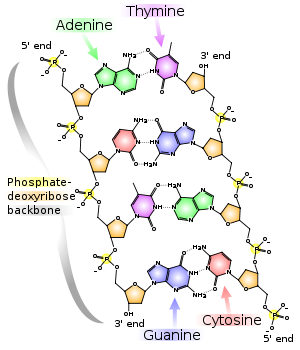
On friday we began talking about the Structure of DNA (Deoxyribonucleic Acid)
The 3 main parts of a DNA molecule are:

1. The Sugar: Ribose
 2. A Phosphate group: (what do you think the X stands for?)
3. A Nitrogenous Base (Adenine, Guanine, Cytosine, Thymine and Uracil - this is a special one that is in RNA only)

 One of each of these together makes up a Nucleotide:

The 3 main parts of a DNA molecule are:

1. The Sugar: Ribose
 2. A Phosphate group: (what do you think the X stands for?)
3. A Nitrogenous Base (Adenine, Guanine, Cytosine, Thymine and Uracil - this is a special one that is in RNA only)

 One of each of these together makes up a Nucleotide:
As we begin to build a DNA molecule, how are the nucleotides connected to each other to build the rung of the ladder?
Hydrogen Bonds! What are the numbers of the Carbons in the ribose sugar? What Carbon is the "1st" Phosphate group connected to? The 5' (five prime) Carbon. The phosphate of the next nucleotide is connected by the 3' Carbon. This is way when we discuss DNA we say it goes in the 5' to 3' direction. How are the nucleotides bonded to each other (i.e. the sides of the ladder)? Covalent bonds.
Why would you want the middle to be Hydrogen, and therefore weaker, but the sides be Covalent bonds (stronger)?
Finally, your homework for Monday is to continue with the handout on DNA structure and replication. If you finish that one you should then begin the 2nd DNA handout (it has the website from BioTeach on the top).
Thursday, March 28, 2013
Handouts for 3-28-13
Here are the 2 files from today on the 3 major experiments and DNA Structure/Replication
Griffiths and Hershey/Chase Experiments
Today you had a quiz on cell parts and atoms, molecules. We then started on your handout on the 3 major experiments that determined DNA is the genetic material. What other molecules were thought to be the material of heredity before DNA?
Here is the video we watched today. Make sure you are familiar with the 1st the experiments. Griffiths, Avery, and Hershey/Chase. We will likely use the video again when we move to DNA structure History.
Your homework for tomorrow is to complete the Microscope lab below is a video to remind yourself the proper use of a microscope.
Finally, Watch the crashcourse video on DNA structure and replication and begin working on your handout from class. I will create a new post with both handouts
Tuesday, March 26, 2013
Molecules, Atoms, etc
Basic Ideas in Chemistry.
What is Matter? - anything that takes up space and has mass. Can you give some examples?
What is an element? - pure substance that can not be broken down into other substances by chemical means.
What are the most important ones in living systems? C, H, N, O Why are these the most important? What molecules are they involved in?
Describe what an atom is and what it contains - smallest part of an element. Can you draw a picture of an atom and label the parts we discussed?

What about bonds? - Process of transferring electrons creates attraction which holds the atoms together.
Covalent vs. Hydrogen vs. Ionic bonds?

what is a molecule? - 2 or more atoms held together by covalent bonds.
What is Matter? - anything that takes up space and has mass. Can you give some examples?
What is an element? - pure substance that can not be broken down into other substances by chemical means.
What are the most important ones in living systems? C, H, N, O Why are these the most important? What molecules are they involved in?
Describe what an atom is and what it contains - smallest part of an element. Can you draw a picture of an atom and label the parts we discussed?
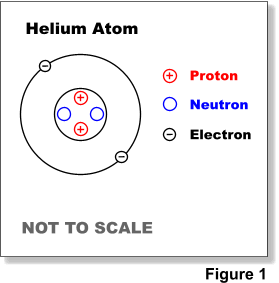
What about bonds? - Process of transferring electrons creates attraction which holds the atoms together.
Covalent vs. Hydrogen vs. Ionic bonds?

what is a molecule? - 2 or more atoms held together by covalent bonds.
Saturday and Review of organelles
Today we reviewed the parts of the cell and went over your 'cell wanted' ads. Try to connect the parts of the cells with items/things that help you remember their function.
We also went over different kinds of cells and how their structure helps their function.
For homework you have to read 4.1-4.3 and answer the questions in your handout. Below is a video to help with (if you watch, only watch to 8:00). Don't forget to bring your computers to class on Monday!
We also went over different kinds of cells and how their structure helps their function.
For homework you have to read 4.1-4.3 and answer the questions in your handout. Below is a video to help with (if you watch, only watch to 8:00). Don't forget to bring your computers to class on Monday!
Thursday, March 21, 2013
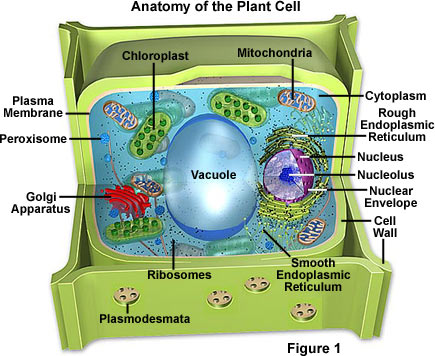
Chapter 6 beginning organelle types
Today in class you started reading chapter 6 in your textbook and reviewed similar questions from the video and with your partner should have come up with definitions and things that are similar around Lawrenceville.
For example what around L'ville serves the same type of function as the nucleus? Is it different in animal vs plant cells? What about prokaryotes vs eukaryotes


We also talked about cell theory, which is? How was it discovered? Is it "proven" that all living things are made up of cells?
We also talked about why compartmentalization is important: cells need to have separate membrane bound structures (organelles) to do different functions at the same time (in which type of organism? Prok or Euk?).
What about specialization? allows different shapes/types of cells or organelles to have different functions that only they do
Size and shape - having different size and shape of cells allows for specialization and have their form 'match' their function.
See if you can identify examples of cells with each structure below: You can use the images below
High vs Low surface area
Block vs Web
Smooth vs Appendage
Connected vs Free
Motile vs Sessile
Sperm Cell
 Cardiac Muscle
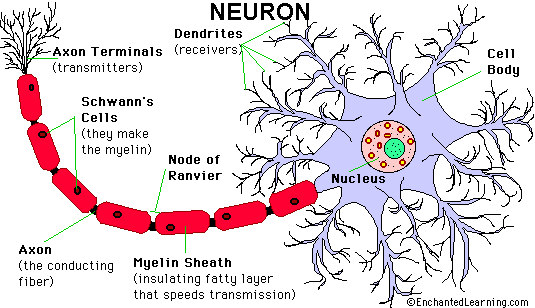
 Neuron


For example what around L'ville serves the same type of function as the nucleus? Is it different in animal vs plant cells? What about prokaryotes vs eukaryotes

We also talked about cell theory, which is? How was it discovered? Is it "proven" that all living things are made up of cells?
We also talked about why compartmentalization is important: cells need to have separate membrane bound structures (organelles) to do different functions at the same time (in which type of organism? Prok or Euk?).
What about specialization? allows different shapes/types of cells or organelles to have different functions that only they do
Size and shape - having different size and shape of cells allows for specialization and have their form 'match' their function.
See if you can identify examples of cells with each structure below: You can use the images below
High vs Low surface area
Block vs Web
Smooth vs Appendage
Connected vs Free
Motile vs Sessile
Sperm Cell


Skin Cells

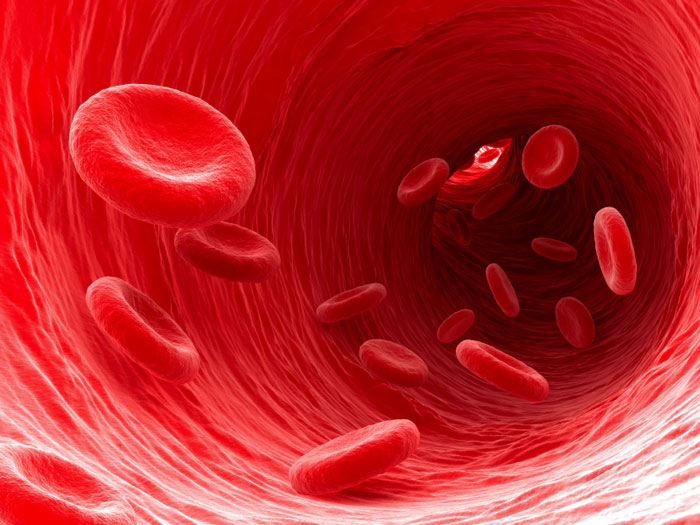
Blood Cells
Subscribe to:
Posts (Atom)