Tuesday, March 19, 2013
New Term... NEW Question!
As we begin Spring term, we move into our "last question" of 2FS which is....
Is Biology Destiny?
We will start to try to answer this question by looking at cells and then DNA, proteins and traits.
Let's begin by watching the following video for your next class day. (Don't worry if you do not know all the terms. We will be going over much of them during the term (ex. transcription/translation). For the organelle question. you can use the crash course video if you would like.
Answer the following questions.
1. Why are cells small and how does it relate to your last term?
2. How did scientists discover cells? What technology allowed them to see cells for the first time?
3. What are the 2 types of cells and give an example for each?
4. What are the similarities and differences of these two cell types?
5. What are organelles?
6. What are the 13 different organelles? Give a BRIEF description of each one.
Here is a 2nd video about cells if you want to review (it's a crash course video)

Thursday, February 21, 2013
Male Structure/Function of Reproduction
Male Reproductive system Structure/Function
Penis - external tube that becomes erect to get sperm close to cervix in the female where the ovum would meet it. This is the male organ of reproduction.
Scrotum - external (outside the body) sac which lowers the temperature of the testes so that they have the best environment for production of sperm (which needs to be a slightly cooler temperature).
Testis - (singular for Testes) gonad of the male. the sperm (gametes) are made here
Epididymis - storage location for sperm found on top of the testis.
Vas Deferens- tube to send sperm from the testis (where they are made) -epididymis - (where they are stored) to the urethra
Urethra - What other system is this a part of??? in reproduction it serves as the exit for semen.
Seminal Vesicle, Cowper's gland, and Prostate Gland - 3 glands which make the liquid portion of semen.
3 things needed to make the liquid portion:
1. Liquid for sperm to swim in
2. Sugar (Fructose) which provides energy for the sperm to swim
3. Chemical to make female environment habitable for sperm (normally pH is incorrect for 'foreign cells'
Sperm+Liquid= Semen

Penis - external tube that becomes erect to get sperm close to cervix in the female where the ovum would meet it. This is the male organ of reproduction.
Scrotum - external (outside the body) sac which lowers the temperature of the testes so that they have the best environment for production of sperm (which needs to be a slightly cooler temperature).
Testis - (singular for Testes) gonad of the male. the sperm (gametes) are made here
Epididymis - storage location for sperm found on top of the testis.
Vas Deferens- tube to send sperm from the testis (where they are made) -epididymis - (where they are stored) to the urethra
Urethra - What other system is this a part of??? in reproduction it serves as the exit for semen.
Seminal Vesicle, Cowper's gland, and Prostate Gland - 3 glands which make the liquid portion of semen.
3 things needed to make the liquid portion:
1. Liquid for sperm to swim in
2. Sugar (Fructose) which provides energy for the sperm to swim
3. Chemical to make female environment habitable for sperm (normally pH is incorrect for 'foreign cells'
Sperm+Liquid= Semen
Wednesday, February 20, 2013
Reproduction notes!
On Tuesday we went all the way through structure/function of the Reproductive System.
As humans we have 2 versions of the reproductive system. What is reproduction in humans? - Reproduction is carried out by living organisms to continue the species. Can be asexual (what is this?) or sexual (using male and female gametes).
What are gametes? - Gametes are the sex cells of the reproductive systems. Each one contains 1/2 of the genetics from mom and dad. These gametes combine to create a new person!
Female Gamete = Ovum (Ova - plural). Develops/Matures in the ovaries. A female is born with all the immature ova she will ever have.


Male Gamete = Sperm. Only 1 sperm can fertilize an egg. Produced and develops in the testes. Males make sperm through much of their lives.

Sex Organs Male=Testes Female=Ovaries
Gametes Male=Sperm Female=Ovum
Sex Hormone Male=Predominately Testosterone Female=Predominately Estrogen
What are hormones? Hormones are chemical messengers that are made in 1 location but used in another location.
Sex hormones are made in the gonads and sent to the whole body. BUT only some parts of the body will respond. Puberty is the brain deciding to make/pick up on these signals. At puberty, testosterone or estrogen are are sent to the body to tell gonads to make mature sperm or ova. These hormones also cause the manifestation of secondary sex characteristics
Male=facial hair, voice changes, muscle mass Female=hips, breasts, hair
As humans we have 2 versions of the reproductive system. What is reproduction in humans? - Reproduction is carried out by living organisms to continue the species. Can be asexual (what is this?) or sexual (using male and female gametes).
What are gametes? - Gametes are the sex cells of the reproductive systems. Each one contains 1/2 of the genetics from mom and dad. These gametes combine to create a new person!
Female Gamete = Ovum (Ova - plural). Develops/Matures in the ovaries. A female is born with all the immature ova she will ever have.

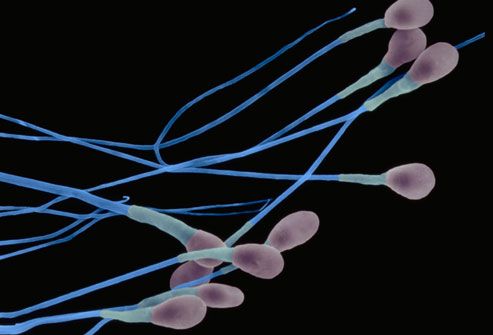

Sex Organs Male=Testes Female=Ovaries
Gametes Male=Sperm Female=Ovum
Sex Hormone Male=Predominately Testosterone Female=Predominately Estrogen
What are hormones? Hormones are chemical messengers that are made in 1 location but used in another location.
Sex hormones are made in the gonads and sent to the whole body. BUT only some parts of the body will respond. Puberty is the brain deciding to make/pick up on these signals. At puberty, testosterone or estrogen are are sent to the body to tell gonads to make mature sperm or ova. These hormones also cause the manifestation of secondary sex characteristics
Male=facial hair, voice changes, muscle mass Female=hips, breasts, hair
Saturday, February 16, 2013
Reproduction.
Here is the video on Reproduction from CrashCourse
What are the main structures Hank discusses?
What are the main structures Hank discusses?
Nutrition

Here is a link to the site: Harvard. To the right is a graphic of what is recommended as a Healthy Plate.
In your lab (although we did not do this portion), it asked you to weigh out the amount of sugar in one coke. Here is an image of what that looks like with several types of drinks.

Here is another article by Harvard but this one is on carbs. Why is refined sugar a problem?
Final bits on digestion
 We finished up the small intestine and reviewed the rugae of the stomach (these are the folds that expand when food is eaten and help with mechanical digestion in the stomach). Side note: The stomach can actually absorb aspirin and alcohol.
We also discussed how pepsin in the stomach is a positive feedback loop. Pepsin is an enzyme in the stomach that breaks down proteins into "medium size" molecules called peptides (what do you think pepsin's optimal pH is?). These peptides in turn trigger the production of more pepsin thereby speeding up the digestion of the larger protein molecules (Why is this important?).
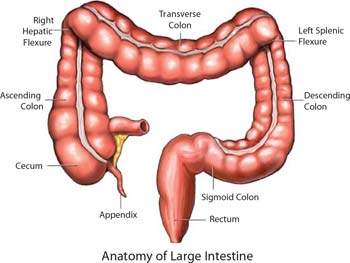 After we leave the small intestine where food is completely broken down and absorbed (this happens near the end), we move into the colon (or large intestine). The structure of the colon is shorter but with more diameter than the SI. In this organ, water is absorbed into the bloodstream via capillaries. This causes the waste to become bulkier. (why wait until the end to absorb water?). The bile that was provided by the liver to the small intestine, causes the waste to turn brown when the water is taken out.
Why is fiber important?
From the colon we move into the rectum (storage organ for waste, until it can be released) and finally to the anus where waste exits the body.
Can you identify what organs mechanical and/or chemical digestion occurs? What are the enzymes involved in each stage and where are they made?
Wednesday, February 13, 2013
Enzyme animations link
I would like you to review this website on Enzymes, it will help clarify a few things!
Enzyme Animations
Enzyme Animations
Here are a few images of enzymes to help explain function:


Subscribe to:
Posts (Atom)